Product Systems

Inflatable and Frame-Supported Shelter Systems

Compare two construction routes for professional shelter projects. Review the operating task, deployment plan and supplied set before choosing an air-beam or frame-supported configuration.

Select by construction

Start in the correct product catalogue.

The two systems use different structures, deployment methods, accessories and evaluation criteria. They are presented separately so procurement teams can compare relevant models without confusion.

Connected inflatable air-beam shelter product family

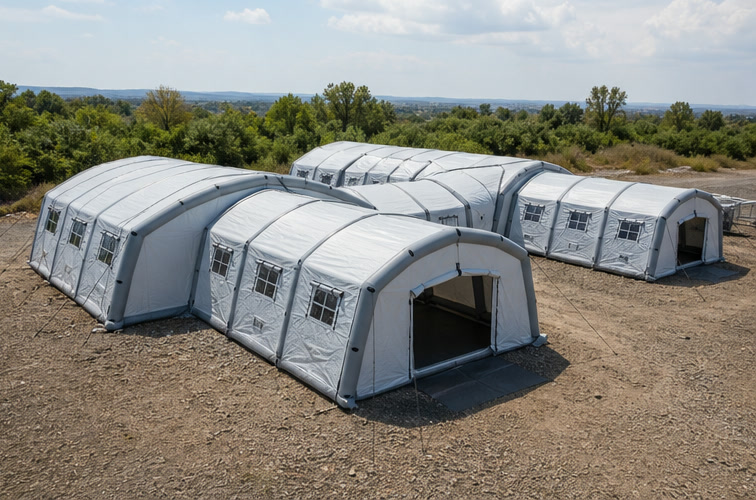
Inflatable construction

Inflatable Tent & Shelter Systems

Commercial camping and glamping tents, rapid-deployment relief shelters, medical support tents, field shelters and custom air-beam projects.

  • Air-beam and inflatable support structures
  • Fast deployment and compact transport planning
  • Commercial and professional application ranges
Open Inflatable Catalogue
Frame-supported multipurpose tent product family

Frame construction

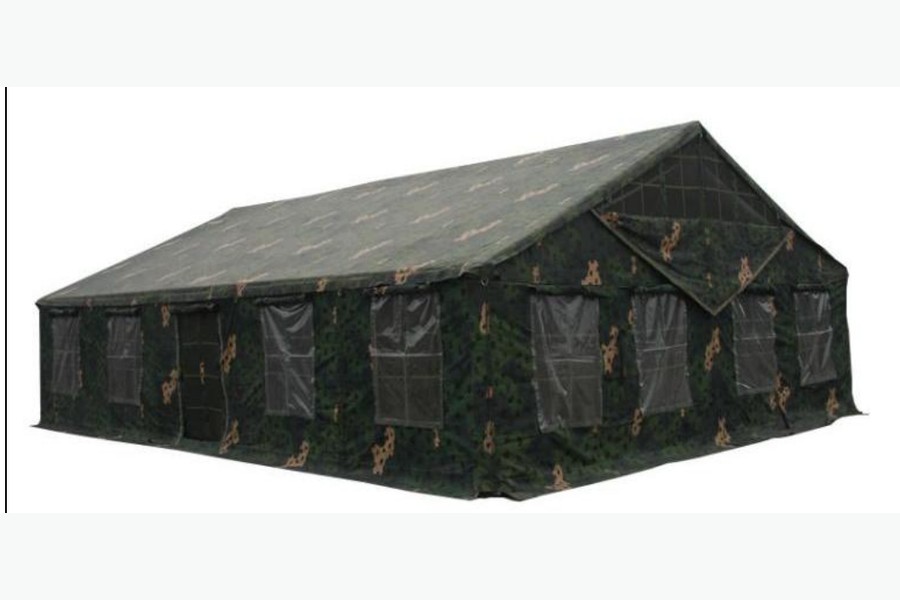
Frame-Supported Tent Systems

Folding-grid, pole-frame, arch-frame and commercial outdoor tents for relief services, field support, accommodation and project use.

  • 24 frame-supported reference configurations
  • Relief, field-support and commercial groups
  • Dedicated dimensions, materials and model RFQs
Open Frame Catalogue

Compare on one brief

Let the operating requirement decide.

Use the same footprint, destination, crew, operating period and acceptance schedule when comparing the two systems. A structure name alone does not establish setup time, packed size or suitability for a tender.

Deployment priority
For an air-beam proposal, confirm the inflation equipment, valve access and setup sequence. For a frame proposal, confirm the frame-part schedule, assembly steps and handling crew. Compare times only for the approved configuration and site conditions.
Transport priority
Ask for a complete packed-set list for each route: shelter body, floor, anchoring, pump or frame parts, bags, instructions and agreed spares. Compare bundle count and handling limits before selecting a transport plan.
Space priority
Share the required clear area, entrances, equipment envelope, service openings and any module connections. Check each proposed drawing against the same internal layout rather than comparing nominal floor area alone.
Specification priority
If the buyer or tender specifies a structure, test method, material or document set, use that requirement as the starting point. Record any proposed alternative and its acceptance method before approving a sample.
Before requesting a quotation

Ask for evidence that matches the proposed structure.

For an inflatable shelter, review the proposed beam layout, wall connection, inflation points and repair approach on the drawing and sample. The air-beam structure checklist gives a sequence for comparing those details. For a frame-supported shelter, review the pole or grid layout, joints, anchoring interfaces, numbered components and replacement-part plan alongside the frame-system references.

Keep the quotation scope explicit: which shelter components and accessories are supplied, which utilities or specialist equipment are outside the shelter package, what the sample will demonstrate, and which inspection and shipping documents are required. Send the same application, quantity, destination and target schedule to each supplier so differences in price reflect a comparable scope. Use the deployment procurement checklist to prepare the brief, then request a technical proposal for the selected route.

Product selection

Send your application and required structure for a focused quotation.

Share the application, target size, quantity, destination, required standards and timeline. Our team will review the scope before recommending a structure or quotation route.

WhatsApp