Humanitarian Supply · Disaster Relief

Disaster Relief Tents & Emergency Shelters

Define the occupants, field tasks, packing, warehouse handling and deployment sequence first. Then select an inflatable or frame-supported shelter from its dedicated product catalogue.

Four configuration families

Match the shelter to the people and task it must support.

These families are procurement starting points. The approved project specification controls the final structure, materials, interfaces, packing and acceptance method.

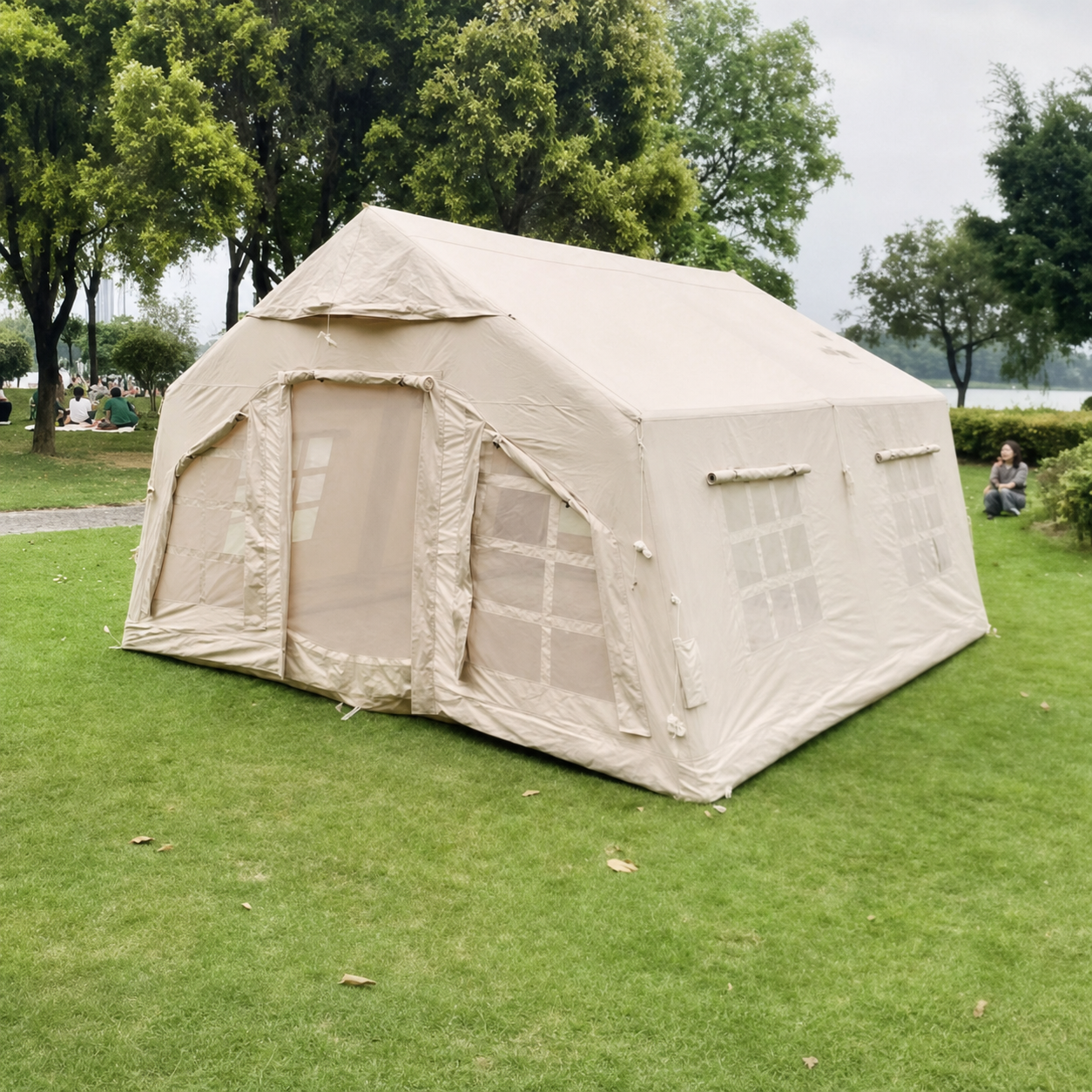
Unbranded family shelter reference with enclosed walls and ventilated openings
01

Emergency Family Shelter

Primary use
Private accommodation and family support
Plan around
Occupancy, privacy, ventilation, floor layer and field repair kit
Review this configuration
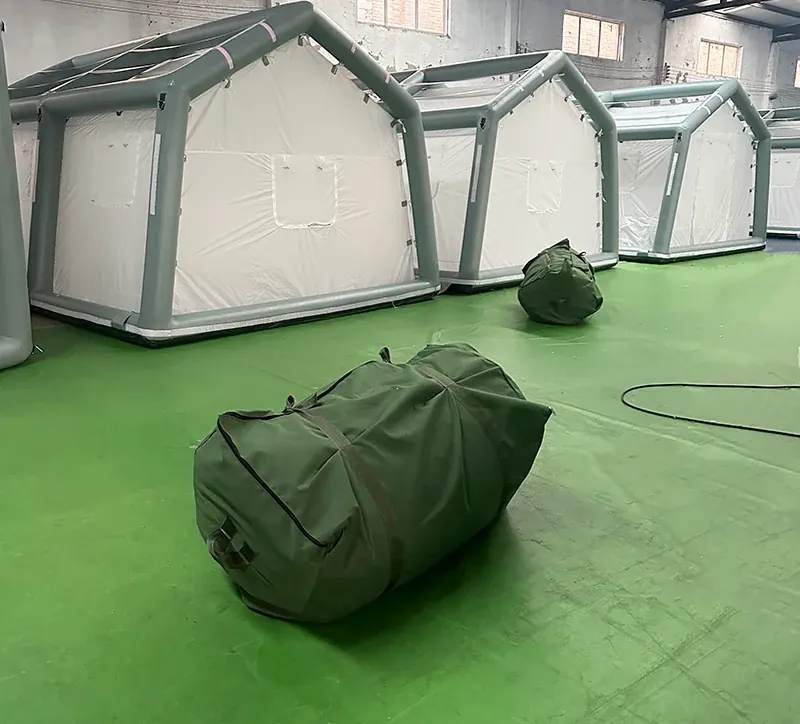
Row of white air-beam shelters with grey frame tubes standing in a workshop
02

Rapid Response Team Shelter

Primary use
First-response staff, assessment teams and mobile support
Plan around
Pack split, handling crew, inflation equipment and deployment sequence
Review this configuration
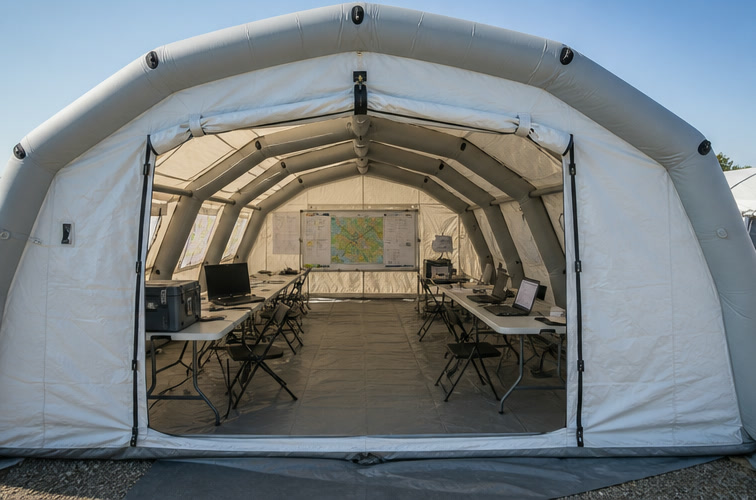
Illustrative relief coordination shelter arranged with tables and maps
03

Relief Coordination Shelter

Primary use
Registration, coordination, information and community services
Plan around
Workstations, public flow, partitions, lighting and service openings
Review this configuration
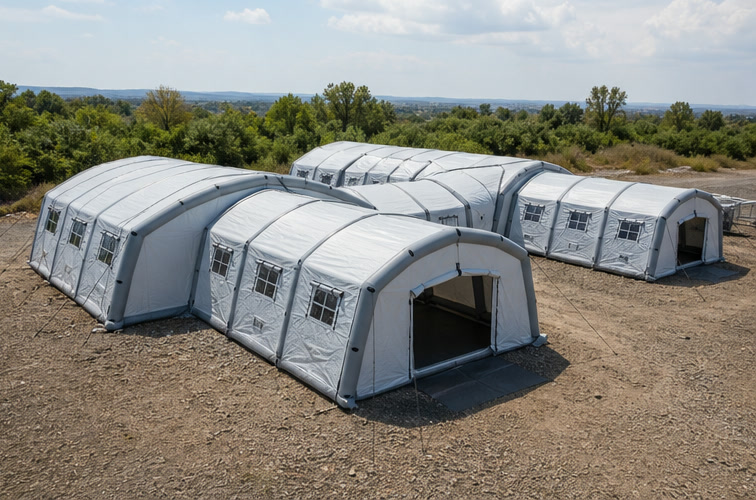
Illustrative connected modular relief shelter cluster
04

Modular Community Shelter

Primary use
Connected spaces for larger temporary facilities
Plan around
Module geometry, weather-managed connectors, expansion and labelling
Review this configuration

This gallery includes product and concept references for layout discussion. Final shelter details follow the agreed project brief.

Construction view

Inspect an air-beam assembly before choosing a response shelter.

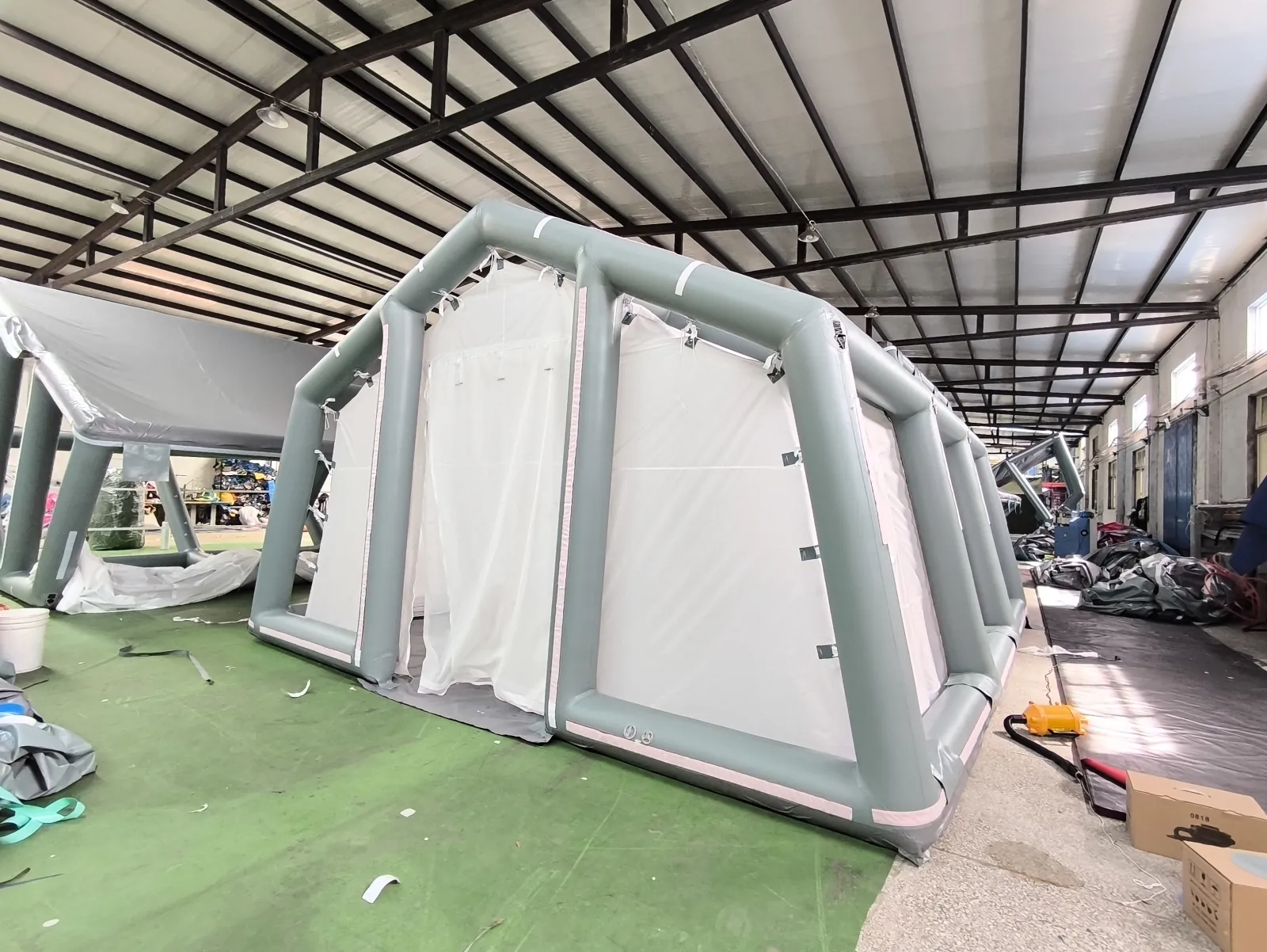
An emergency-shelter brief should identify the required openings, beam and wall connections, inflation equipment, anchoring and packed set. Compare those details with the drawing and approved sample for the configuration you intend to buy.

Inflated air-beam shelter with fitted fabric wall panels during workshop assembly
Air-beam frame and fitted wall panels in the workshop. Explore the construction view or see the factory process before requesting a project-specific proposal.

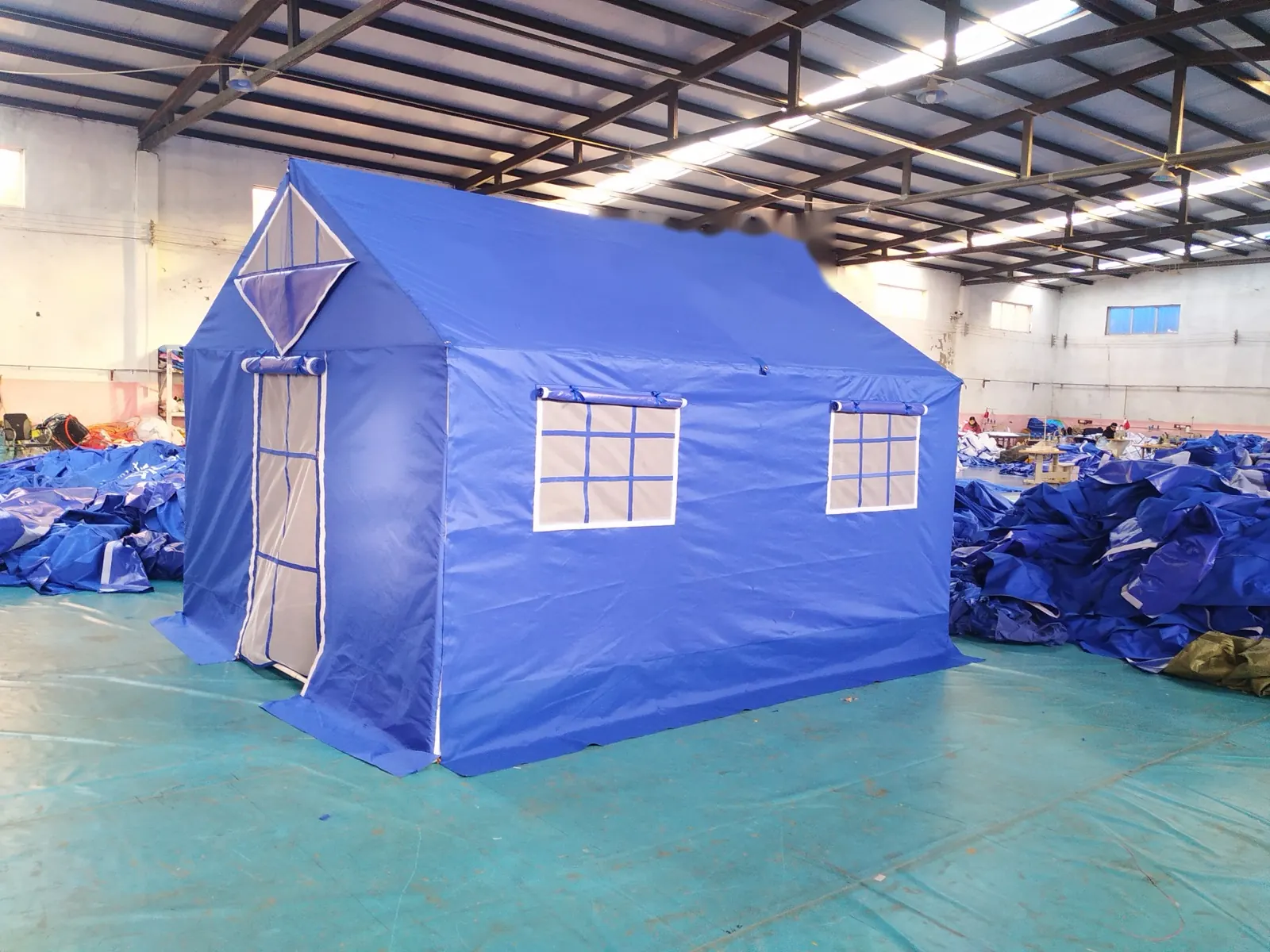
Relief tents in our workshop

See blue relief tents pitched and inspected before shipment.

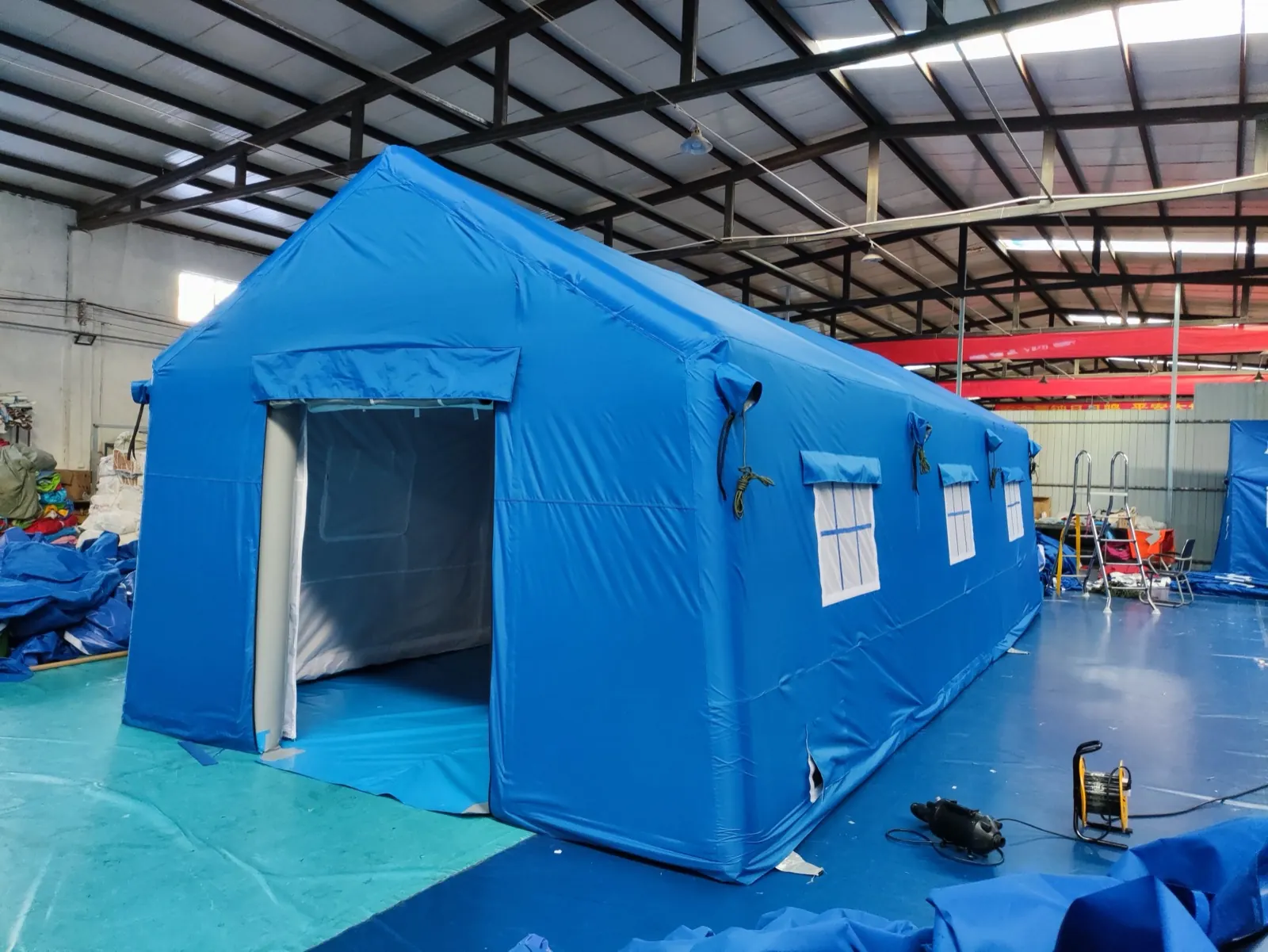
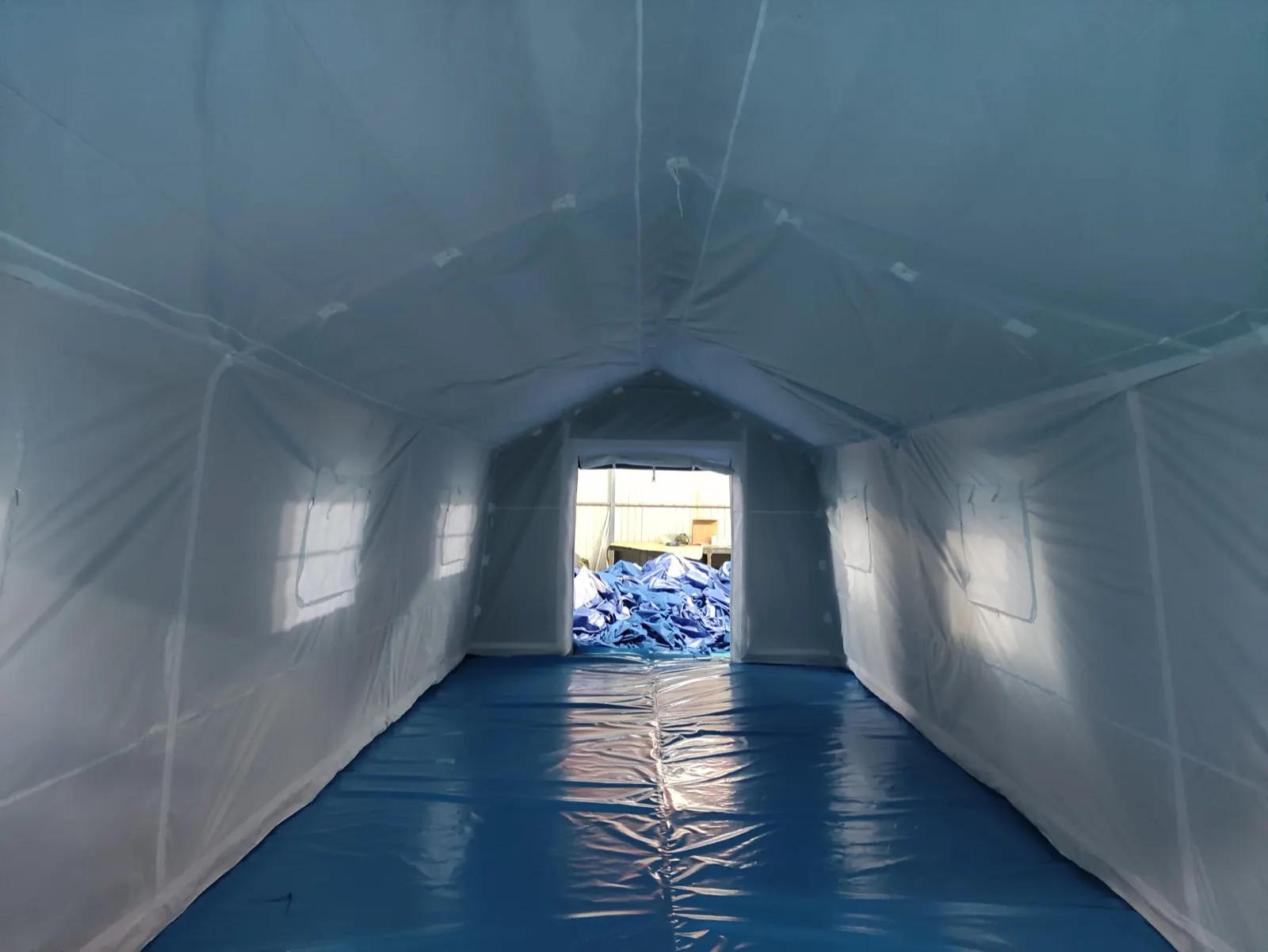
Real workshop photographs: a frame-supported relief tent with door and windows, a large blue relief shelter and an interior view. Dimensions, fabric, windows, doors, floor layer and marking are set by your tender specification and confirmed on the approved sample.

Last-mile readiness

A shelter is only useful when every part arrives, stores and deploys as planned.

Define the handling chain early so the sample, production lot, labels, repair materials and field instructions are reviewed as a complete system. The humanitarian procurement route covers buyer responsibilities and document planning. Use the relief tent logistics and batch acceptance guide to plan packed sets, storage, shipment identification and receiving checks, and the emergency shelter manufacturer guide when a tender needs a supplier shortlist.

  1. 01

    Pack

    Bundle size, contents list, protection, lifting points and repair items.

  2. 02

    Store

    Warehouse conditions, stock rotation, batch identity and inspection access.

  3. 03

    Move

    Pallet, container, vehicle and last-mile handling limits.

  4. 04

    Deploy

    Field crew, inflation equipment, sequence and instruction format.

  5. 05

    Trace

    Approved sample, lot records, complete-set checks and handover documents.

Suitable product systems

Choose the construction route after the relief requirement is defined.

Air-beam systems can prioritise rapid deployment and packing. Frame systems can suit traditional specifications, larger reference areas or established accommodation formats.

Tender response support

Send the exact requirement before requesting a compliance answer.

Specification reviewClause-by-clause feasibility, exceptions and information gaps.

Sample validationApproved construction, components, markings and agreed checks.

Production controlLot identification, complete-set inspection and packing records.

Submission packageAvailable drawings, material documents and project-agreed records.

Relief shelter planning

Plan the shelter, packing and delivery together

Relief procurement depends on practical packing, storage, transport and batch consistency. Share the tender requirements so our team can prepare a suitable proposal.

Share available drawings, specifications or tender files so our team can prepare the right shelter proposal.

Project requirementInformation to provideWhat we will review
01Shelter purpose
Accommodation, support, storage or another defined field use
Configuration, occupancy and supplied scope
02Quantity and phasing
Sample, first batch, total forecast and delivery phases
Production planning, lot identification and inspection plan
03Environment and site
Climate, ground, deployment duration and site constraints
Suitable configuration and required product checks
04Packing and storage
Pack limit, warehouse period, pallet or container requirements
Bag, carton, labels, storage and handling format
05Marking and traceability
Language, donor marking, batch code and contents list
Approved artwork, lot records and complete-set checks
06Tender response
Specification schedule, sample request, documents and deadline
Specification response, available documents and submission plan
Attach a layout, specification schedule or tender document when available.

Request a Technical Proposal

Procurement FAQ

Relief procurement questions

Can ASEN manufacture against a supplied tender specification?

Yes, the team can review the specification, test methods, sample process, packing rules and required documents before confirming feasibility.

Are these shown configurations fixed standard models?

No. They are starting configuration families. Final dimensions, materials, accessories and documentation are agreed from the project brief.

Can packing be planned for warehouse storage and field handling?

Packing split, protection, labels, handles, pallet or container requirements and complete-set checks can be reviewed with the logistics plan.

Can donor or project identification be applied?

Approved identification artwork, language, itemisation and batch markings can be incorporated after the buyer confirms the marking requirements.

Humanitarian and emergency projects

Start with the tender file, quantity plan and destination.

Attach the specification and tell us the required sample date, delivery phases, storage plan and acceptance process. We will review the configuration and document scope before quoting.

WhatsApp