Export Logistics
What the buying team should decide
Reduce landed-cost and handling surprises by confirming the complete packed set, dimensions, weight, markings, protection and loading assumptions.
Use the checklist to improve your specification and compare suppliers using the same product requirements.
- List every tent, pump, peg, guyline, repair item, bag, manual and carton component.
- Confirm packed dimensions and gross weight on the approved configuration.
- Match labels, carton marks and product identifiers to destination requirements.
- Review warehouse handling, moisture protection, container assumptions and repacking needs.
Define the complete delivered set before comparing freight
A freight estimate is only useful when both suppliers are quoting the same delivered set. List the shelter body and structure separately from any selected floor, liner, connectors, inflation equipment, anchoring items, repair materials and documents. Identify what is included, optional or supplied by the project team. Do not assume that an accessory shown in a photograph is included in the order.
For a connected project, link each module and accessory package to the approved drawing revision. The modular shelter connection checklist helps define which connection pieces belong with each module before the packing list is prepared.
Request measured package data for the approved configuration
Ask for the package count, external dimensions, gross weight and contents of each packed unit. Record whether the figures come from the approved sample, a comparable previous configuration or an estimate. A quotation should distinguish these evidence levels so a preliminary volume is not mistaken for a verified loading capacity.
- Package identity: module or set number, contents and quantity per package.
- Physical data: measured length, width, height, gross weight and measurement date.
- Handling conditions: lifting or forklift access, stacking restrictions and protection agreed for the route.
- Open items: accessories, packing changes or final quantities that could alter the estimate.
Separate a volume estimate from a loading plan
Adding package volumes does not establish how many shelter sets fit in a container. Ask the freight or loading team to review the actual package arrangement, door access, weight distribution, stacking limits and space needed for protection or securing. Keep the equipment type and loading assumptions with the estimate; recalculate if the shelter configuration, accessory scope or packing method changes.
For delivery beyond a port or warehouse, also review the final unloading location and onward transport. A package that can be handled at the export warehouse may need a different handling plan at the deployment site. Agree who arranges each stage rather than treating container loading as the end of the logistics review.
Make receiving and deployment traceable
Use package identifiers that match the packing list, module drawing and setup sequence. Confirm the required language, destination marks and document set with the buyer before production packing. For multi-module shelters, the receiving team should be able to identify which structure, cover, floor and connector packages form one agreed module without opening every bundle.
Before shipment, reconcile package count and contents against the agreed scope and record any substitutions or remaining items in writing. The relief shelter logistics guide covers deployment-side coordination. Send the configuration, quantity, destination and available handling restrictions through the project enquiry so packaging and freight assumptions can be reviewed for the proposed shelter set.
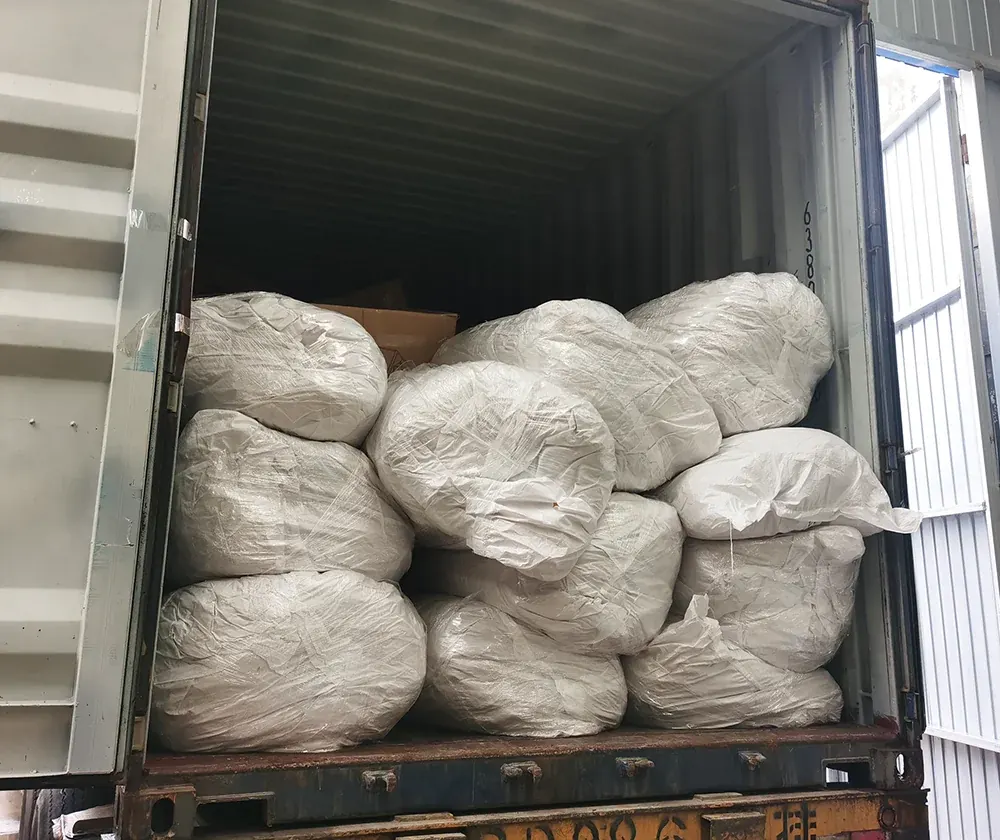
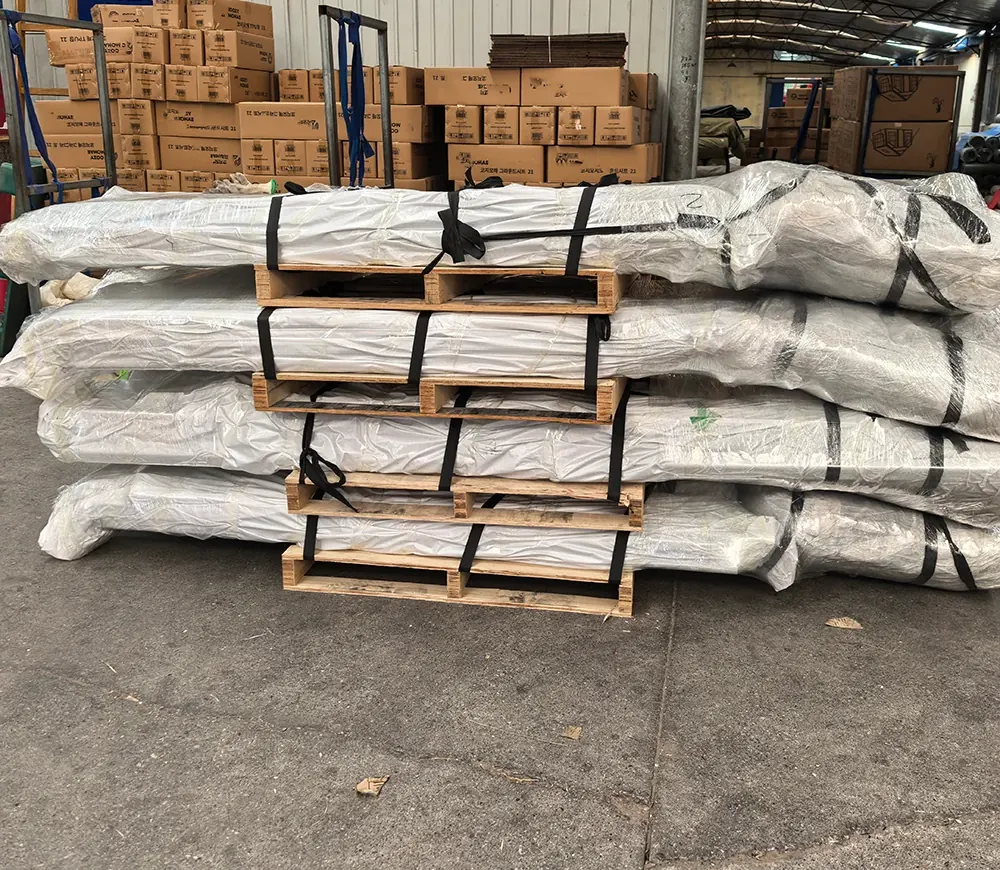
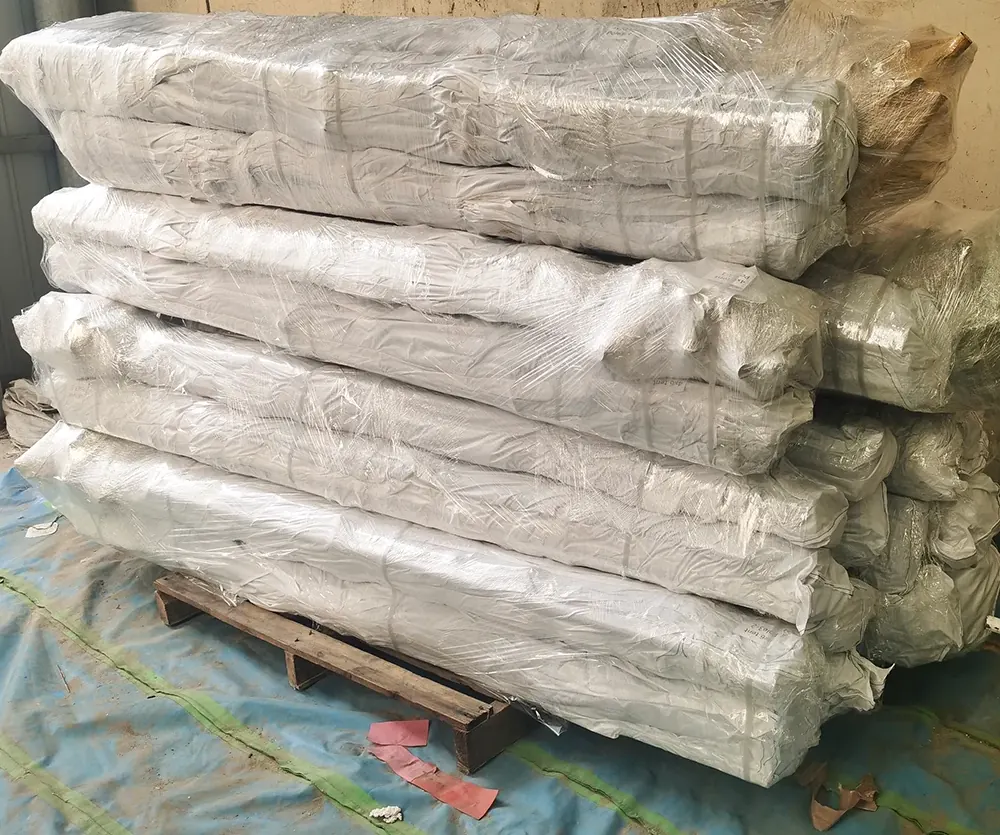
Packed sets, pallets and container loading
Real photographs of shelters packed in bags, wrapped on pallets and loaded into a container.
Questions for packing and loading
Start with the complete packed set rather than the tent body alone.
- What is included in each unit, and what are its packed dimensions and gross weight?
- Which marks, protection and handling units are required at the destination?
Send the order quantity, destination and loading constraints for a packing review.
Information to attach to the RFQ
- Buyer company, destination and intended sales or operating channel
- Application, dimensions, quantity and required delivery date
- Reference photos, drawings, tender schedules or target products
- Required standards, labelling, packaging and inspection method