Humanitarian Supply
What the buying team should decide
Plan relief shelter procurement around human use, climate, storage, packing, transport, sample validation, traceability and field handling.
Use the checklist to improve your specification and compare suppliers using the same product requirements.
- Cross-reference the exact tender specification instead of accepting a visually similar product.
- Define warehouse conditions, shelf-life requirement, stock rotation and bundle protection.
- Validate the complete sample through the laboratory or acceptance route required by the buyer.
- Control batch records, markings, packed sets and final inspection against the approved reference.
Turn the tender into a complete shelter set
Start with the current buyer specification, not a photograph of a similar tent. List the required shelter body, structure, floor, anchoring items, repair materials, instructions and any project-specific accessories as one complete unit. For each line, record the required evidence and the party that approves it. This makes it easier to compare offers that otherwise use different definitions of a “tent set.”
If the order covers different climates, occupancy plans or destination rules, identify those variants before a sample is approved. The final configuration, test method and acceptance criteria should come from the applicable tender and approved project documents; a general catalogue image cannot establish them.
Design the pack for the route to the field
Ask for a packing schedule that connects each unit ID with its contents, bag or carton count, packed dimensions, gross weight and handling method. Check whether accessories travel with the shelter or in a separately identified package. Match the outer marks, packing list and receiving record so a distribution team can identify a complete set without opening every bundle. Use the packing and container planning guide to distinguish measured package data from preliminary freight assumptions.
Review the whole journey: factory release, container or pallet loading, warehouse storage, onward transport and last-mile unloading. Agree how bundles will be protected, stacked and retrieved at each handover. If delivery is split across locations or dates, specify how the order and batch references will remain visible on each shipment. The humanitarian procurement route explains how to prepare the wider project brief.
Close the loop between sample and batch acceptance
Record the approved sample version and any revisions before bulk production. The inspection plan should identify which checks happen on the complete shelter, which documents accompany each batch, and how non-conforming items are separated and resolved. Ask how the batch reference on the product or package links back to the agreed specification and inspection record.
For a deployment team, instructions and a content list are as important as the outer package: they help confirm the set at receipt and support consistent assembly in the field. Before quoting, share the tender, destination, quantity, storage plan and delivery schedule. See the disaster relief shelter application page for structure and use-case questions.
Palletising and container loading
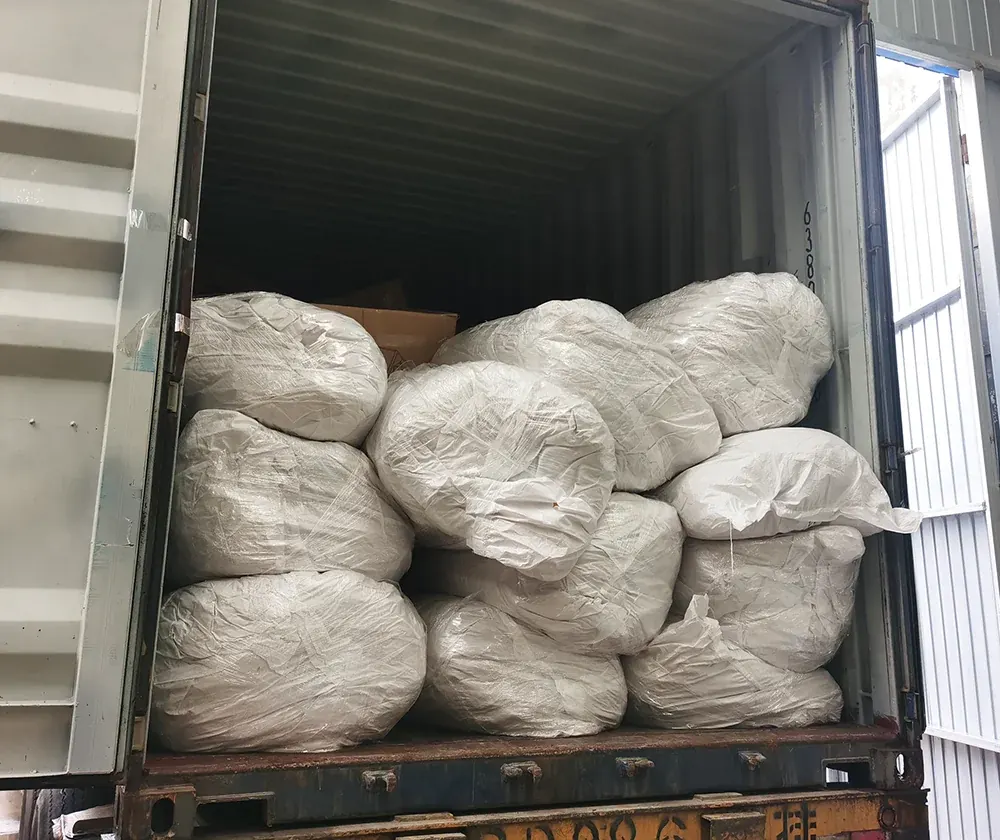
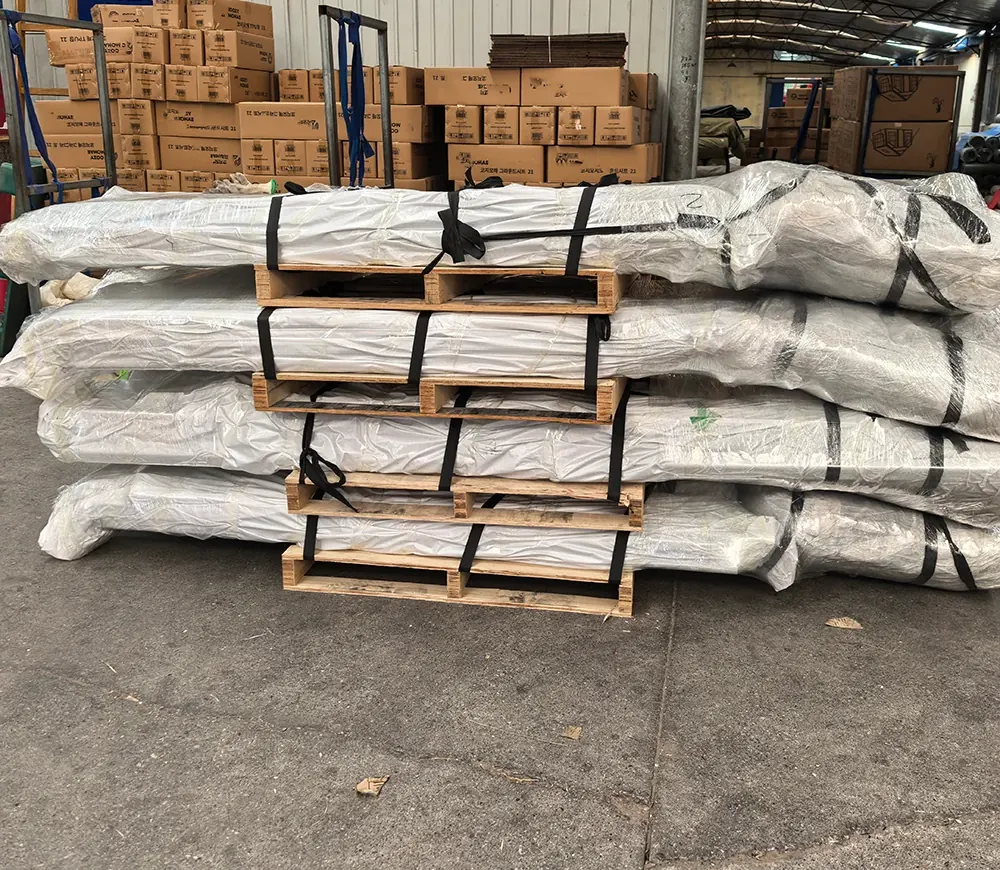
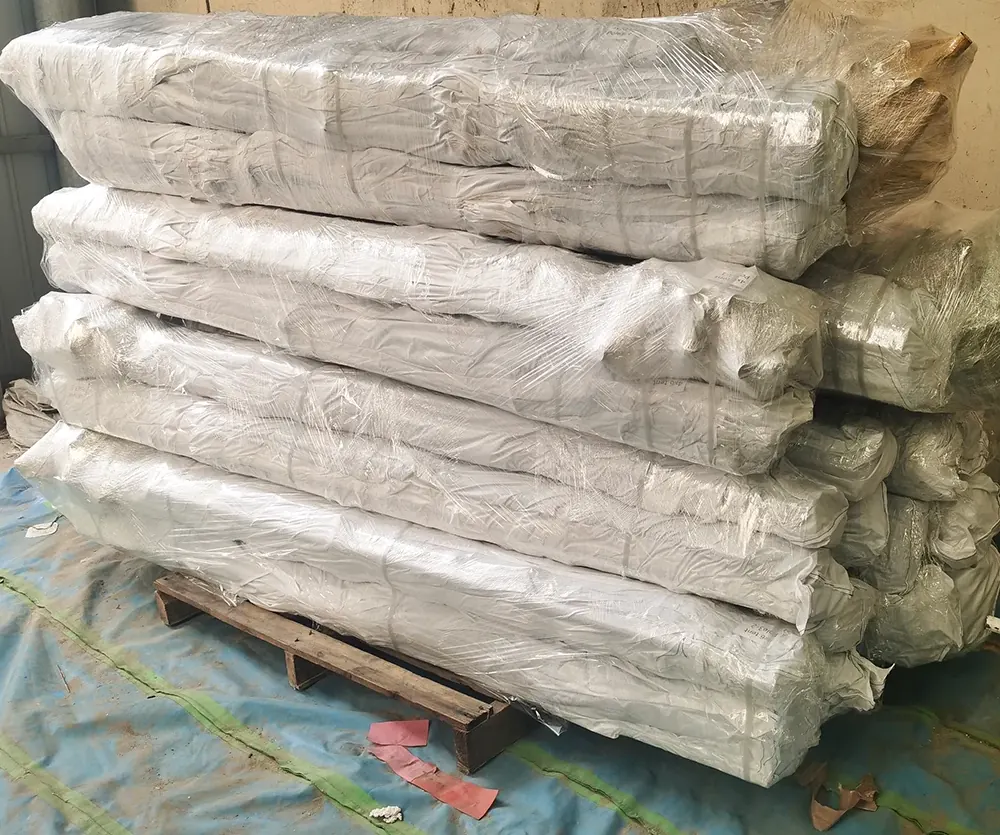
Photographs of strapped pallets, wrapped bales and a loaded container, as references for packing and transport planning.
Questions for relief shelter logistics
Plan the packed set around storage, transport and field distribution.
- How will each complete shelter set be identified, protected and checked before shipment?
- What are the storage conditions, handling limits and last-mile delivery constraints?
Share the tender schedule, destination and distribution plan with the proposed shelter specification.
Information to attach to the RFQ
- Buyer company, destination and intended sales or operating channel
- Application, dimensions, quantity and required delivery date
- Reference photos, drawings, tender schedules or target products
- Required standards, labelling, packaging and inspection method